
Blog
Setting the scene
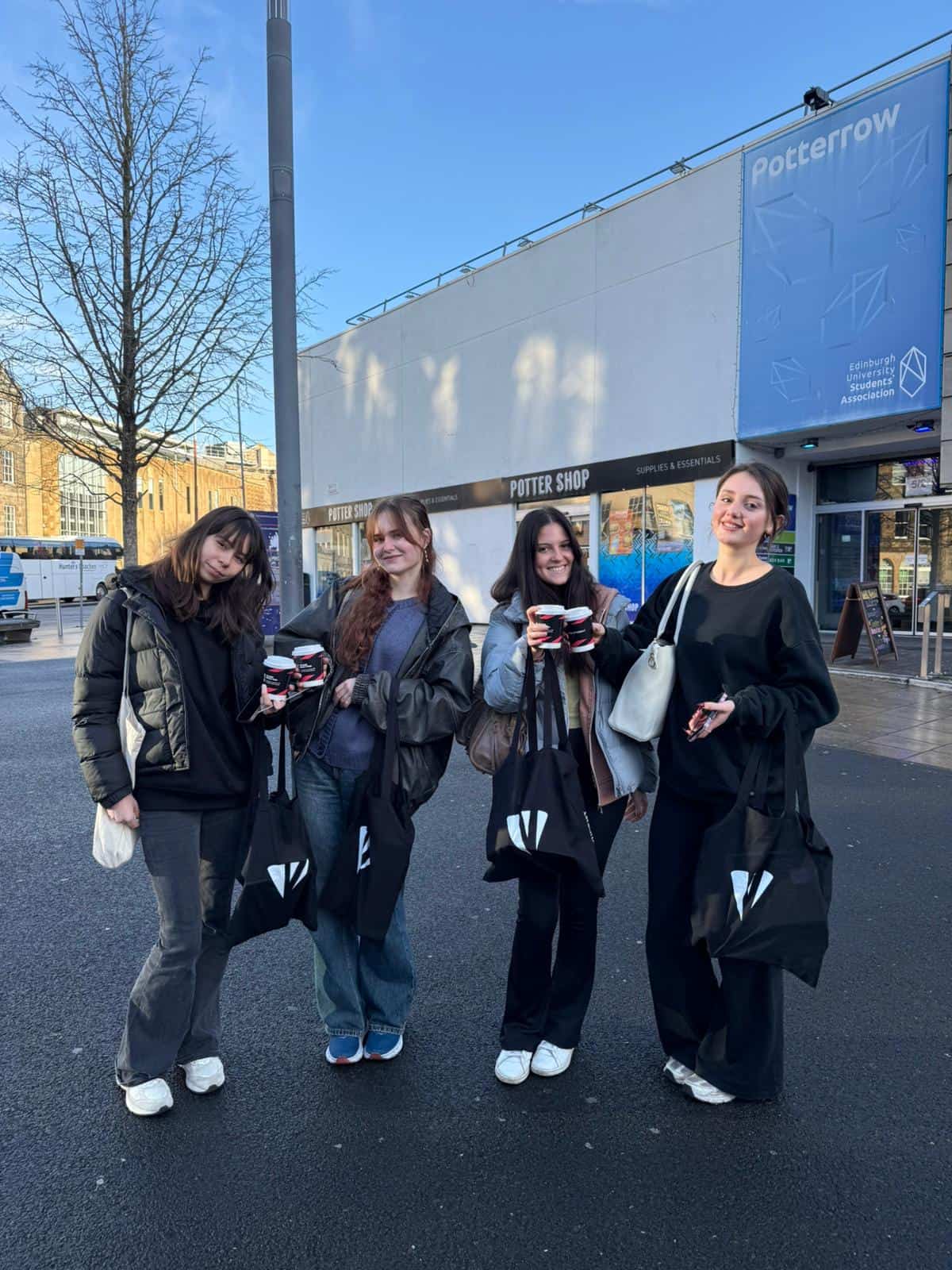
Marketing to students is often seen as straightforward - show up at Freshers’ Week, offer some freebies, collect some data and call it a day. In reality, it’s a far more nuanced audience. Students are diverse, value-conscious, and heavily influenced by relevance and authenticity.
If you want to connect meaningfully (and drive real results), here are five things you need to consider.
Context is key
When it comes to student marketing, timing and environment matter just as much as the message itself.
Students move through distinct phases across the year; Freshers’ Week, reading week, exams, holidays, and their priorities shift dramatically during each. What resonates in September won’t necessarily land in January.
Financial context also plays a huge role. Students tend to be most open to spending around student loan drops, but far more cautious towards the end of term.
The takeaway: it’s not just about ‘what’ you say, it’s about ‘when’ and ‘where’ you say it as well. Relevance drives engagement.
What are you offering?
Your product should dictate your approach.
Where you show up needs to align with what you’re selling. A late-night food brand, for example, will benefit far more from digital channels that capture students in-the-moment than from a daytime campus stall. A fashion brand, on the other hand, might lean into social and influencer-led discovery.
It’s also worth challenging the assumption that Freshers’ Week means you have to be physically on campus. While it’s a high-traffic moment, it’s not always the most effective channel depending on your product and offering. Digital activity, partnerships, and targeted campaigns can often deliver stronger results.
In short: don’t default to student marketing clichés - build your approach around your brand and product
Who is your audience, exactly?
‘Students’ are not a single, uniform group and treating them like one is often one of the biggest mistakes brands make.
This audience spans a wide range of lifestyles, interests, and circumstances: first-year students living on campus, commuters balancing study and work, mature students returning to education, and small communities built around specific interests.
A blanket campaign won’t resonate across all them, or at least will not have the level of impact you want.
The more you can define and understand your specific audience, what they care about, how they live, where they spend time – the more effective your messaging will be. Precision beats broad reach every time.
Top tips – this stands for all different groups, not just students.
Are you only showing up at Freshers'?
Too many brands treat student marketing as a one-off activation. The reality is, students are far more likely to engage with brands they recognise and feel connected to, and that takes time and investment.
If you only show up during Freshers’ Week, you’re missing the opportunity to build that familiarity and trust. Consistent presence throughout the academic year allows you to stay relevant, reinforce your message, and become part of students’ everyday lives.
Brand affinity isn’t built overnight, it’s built through repeated, meaningful interactions.
Can you offer a discount?
Students are naturally price-sensitive, so even a small financial incentive can make a big difference.
That doesn’t mean you need to offer vast range or permanent discounts. In fact, it’s often more effective to provide something modest and time sensitive. Just enough to ease the financial barrier to trying your product.
A well-placed discount can:
- Encourage first-time purchases
- Increase conversion rates
- Build goodwill with your brand
It’s less about the size of the offer, and more about the gesture – showing an understanding of their situation.
Conclusion
Marketing to students isn’t about ticking boxes, it’s about understanding behaviour, context, and nuance within the wider audience.
Get the timing right, align your channels with your product, define your audience properly, invest in long-term presence, and offer value where it counts. Do that, and you’ll move from simply reaching students to genuinely connecting with them.
Other blogs you might like
How Tactical Sampling Helps Brands Reach Specific Audiences
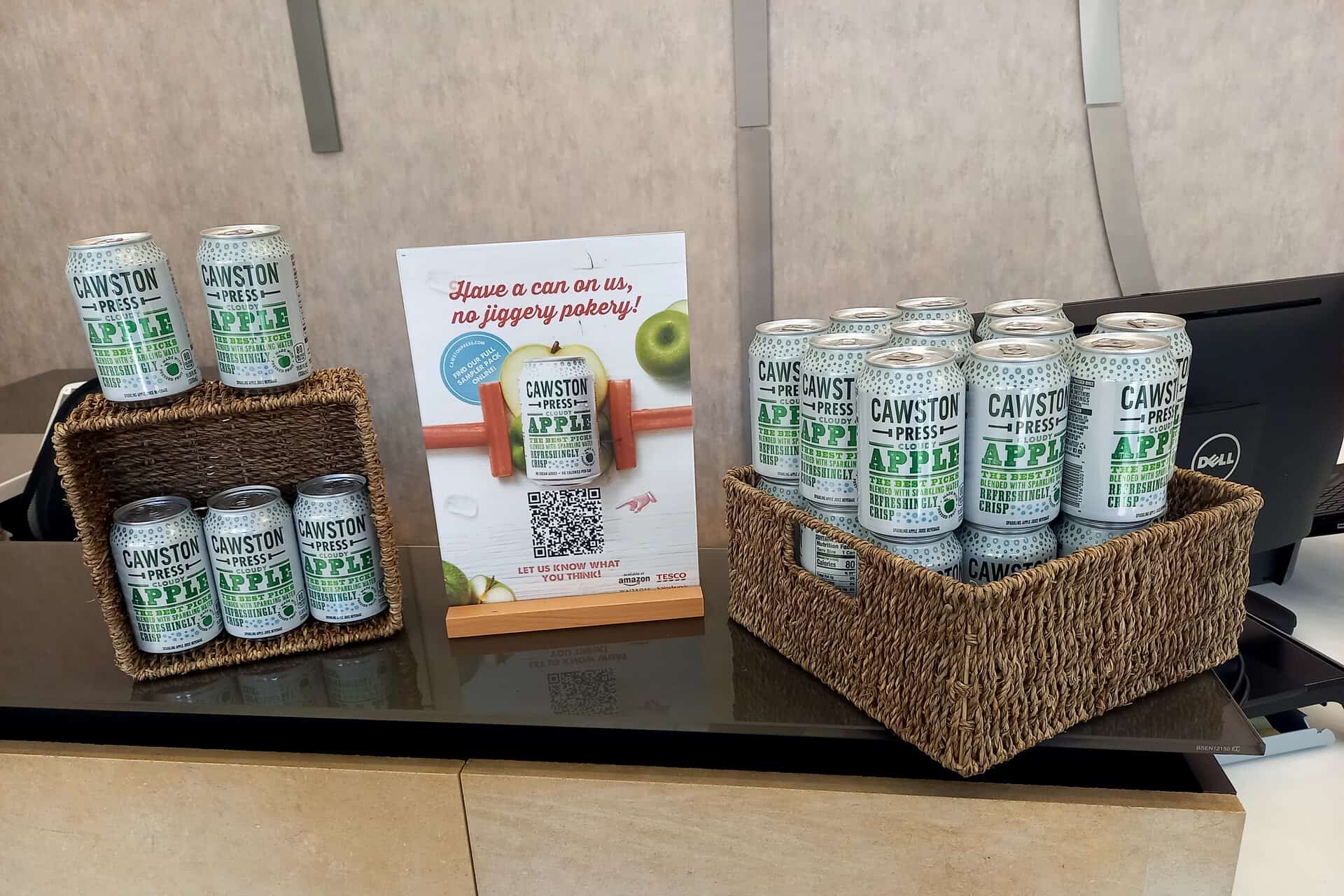
For brands looking to engage a particular audience, just handing out thousands of samples can be ineffective, not to mention expensive. Tactical sampling takes a more targeted approach, placing products directly in environments where consumers are already in the correct mindset to receive and evaluate them. Location, location, location One of the most effective ways to target consumers is through

From Talent to Execution: The Guide to Promotional Staffing
Promotional staffing isn’t just a line item, it can gain you a real strategic advantage. When brands overlook it, things can get complicated fast, activations can end up losing meaning and all of the benefit along with it. But none of us work in the industry for the logistical nightmares and endless planning… For that reason, this is your one-stop

New Year, New Tactics: 2026 Sampling Trends You Need to Know
As we step into 2026, brands are looking for fresh ways to connect with consumers beyond traditional advertising. Sampling continues to be one of the most powerful tools in a marketer’s arsenal, but it is evolving. Consumers no longer just want a product; they want an experience, a story, and a connection. Here is what you need to know to