
Blog
The Ambassador Edit: Active listening - what is it, how to do it, and why it’s important
Published on
7th August 2026
What this article covers
You’re on stand at a busy event. A customer walks over, glances at the product and says, ‘I’ve tried something like this before and wasn’t impressed.’ Do you launch straight into your sales pitch, or do you stop and find out why?
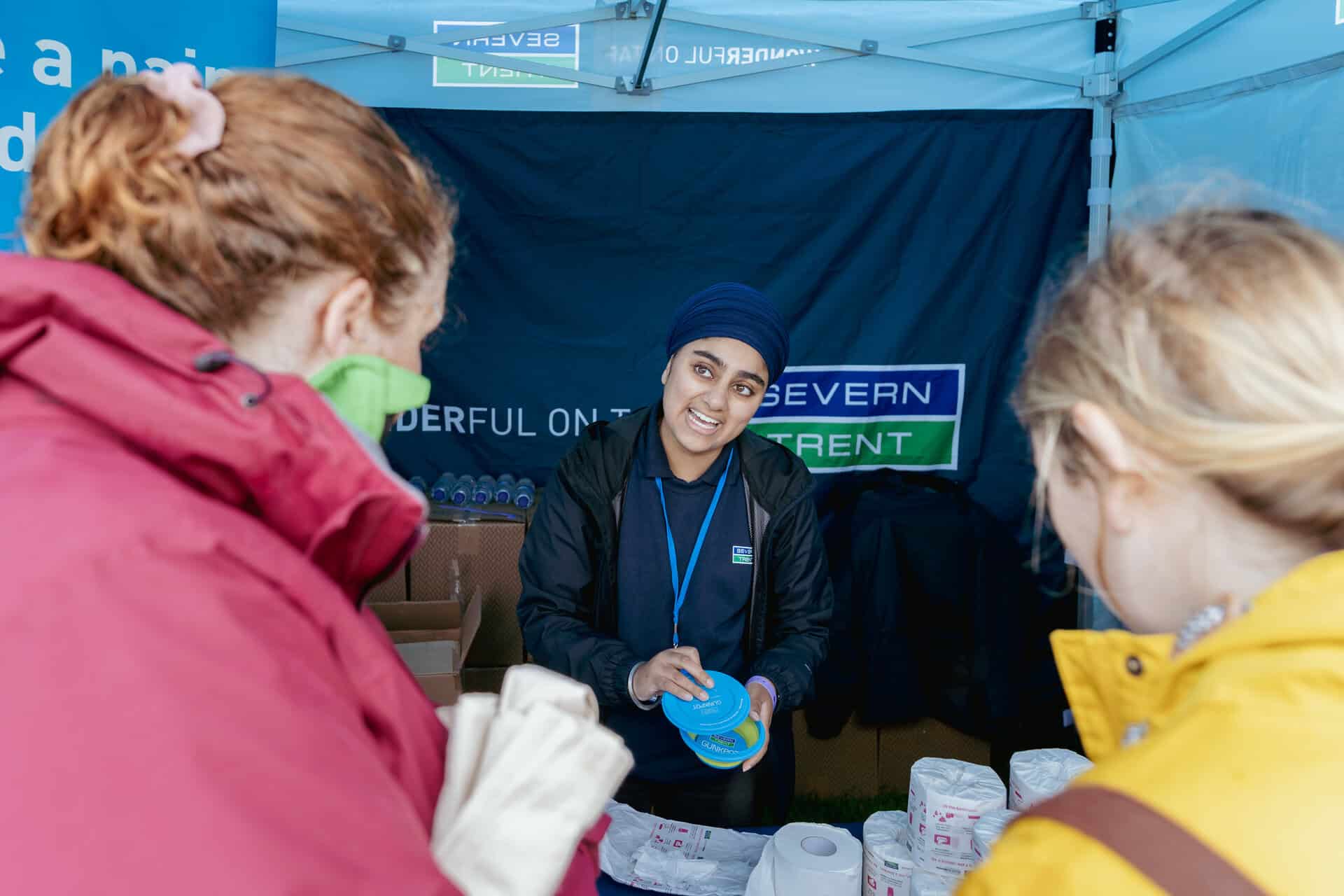
The best Brand Ambassadors know that the conversation starts with listening, not talking. As a brand ambassador your role is to be approachable without being overbearing, make eye contact, have a genuine smile, and ensure you have the product knowledge to support the consumer on their journey.
Authenticity sits at the heart of active listening.
Consumers can quickly tell if someone is simply repeating a script. They respond far better to ambassadors who genuinely believe in the product they’re promoting.
That’s why product knowledge matters. The better you understand the product, the more naturally the conversation flows. If you’ve used it yourself, even better - you can speak from experience rather than memorised talking points.
Before you can improve your listening skills, it’s worth asking yourself one question: What kind of listener are you?
- Task-focused - “Tell me what needs doing”
- Analytical - “What’s the evidence?”
- Relational - “How does this person feel?”
- Critical - “Does this make sense?”
Most of us naturally lean towards one style, but the best Brand Ambassadors know when to switch depending on who’s standing in front of them.
For example, a customer comes to the stand and says, “I have heard these don’t last very long.” An average ambassador might immediately reply: “Actually they’re made from…”, where as an active listener might respond: “That’s interesting, what have you used before?” That one question tells you whether they’re genuinely interested, comparing brands, or simply looking for reassurance.
For the next time you are on the stand and working an event, here five ways to practise active listening on the stand:
- Ask one follow-up question before explaining the product.
- Don’t interrupt.
- Listen to understand, not to respond.
- Mirror the customer’s energy.
- Summarise what they’ve said before offering advice.
Great Brand Ambassadors aren’t remembered because they knew every product specification, they’re remembered because they made people feel heard.
Every conversation is an opportunity to build trust, gather valuable consumer insight, and create a positive impression of the brand. The more you practise active listening, the more natural those conversations become and the more successful you’ll be on stand.
Other blogs you might like
The Ambassador Edit: How to become a Brand Ambassador with GottaBe! Marketing
Have you ever thought about working in the event industry, but aren’t sure where to begin? We are here to help! Being a brand ambassador is such an exciting role. You get to work on different campaigns for different clients, plus it allows you the opportunity to meet new people from a variety of backgrounds. In this blog we will
The Ambassador Edit: How to approach people at an event
Working in the promoter/event industry takes several different skill sets into account. As a marketing agency we utilise freelance staff members or brand ambassadors to help work at a client’s stand for an event. One of the main skill sets needed for this business is learning how to approach people at an event to speak with them about our client’s