
Blog
Tactical Sampling vs Experiential Sampling: Which is the Best for You?
Published on
11th August 2026
In today's crowded marketplace, getting your product into the hands of your consumers or soon to be consumers has never been more important. Sampling still remains one of the most effective ways to drive trial, build awareness, and influence purchasing decisions. However, not all sampling campaigns the same. The two approaches you’ve got are tactical and experiential sampling. Understanding the differences between the two can help you choose the right strategy for your brand.
What is Tactical Sampling?
Tactical sampling is a highly targeted approach focused on distributing products directly to a specific audience. The goal is simple: put your product into the hands of people who are most likely to buy it.
The emphasis is on reach, relevance, and measurable conversion. Tactical sampling campaigns are often designed to generate immediate product trials and increase sales within a defined audience.
Why go for Tactical Sampling?
- Cost-effective targeting
Focusing budget only where it really matters results in less wastage. - Scalable campaigns
Tactical sampling can be rolled out nationally or locally depending on budget and objectives. - Easy to measure
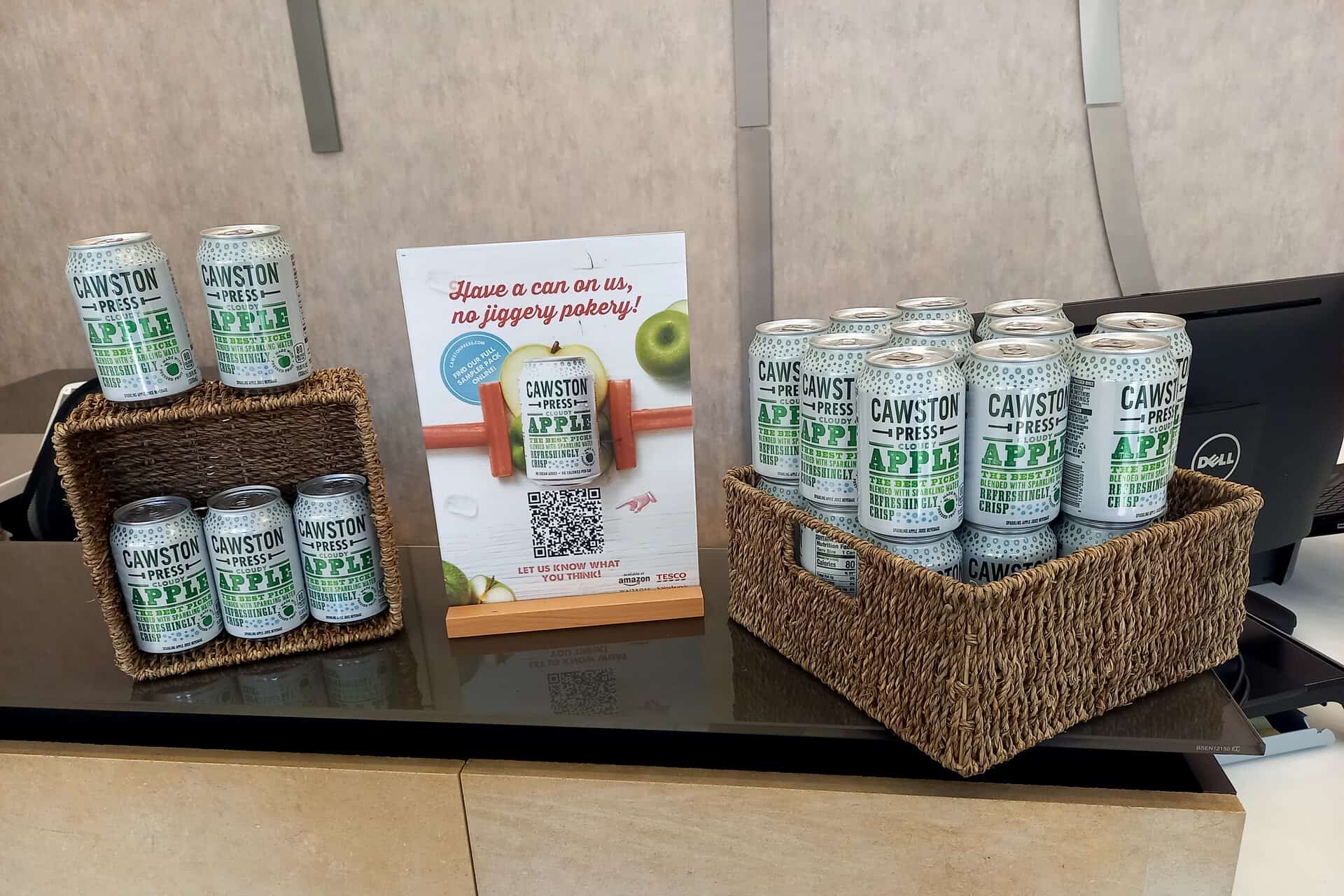
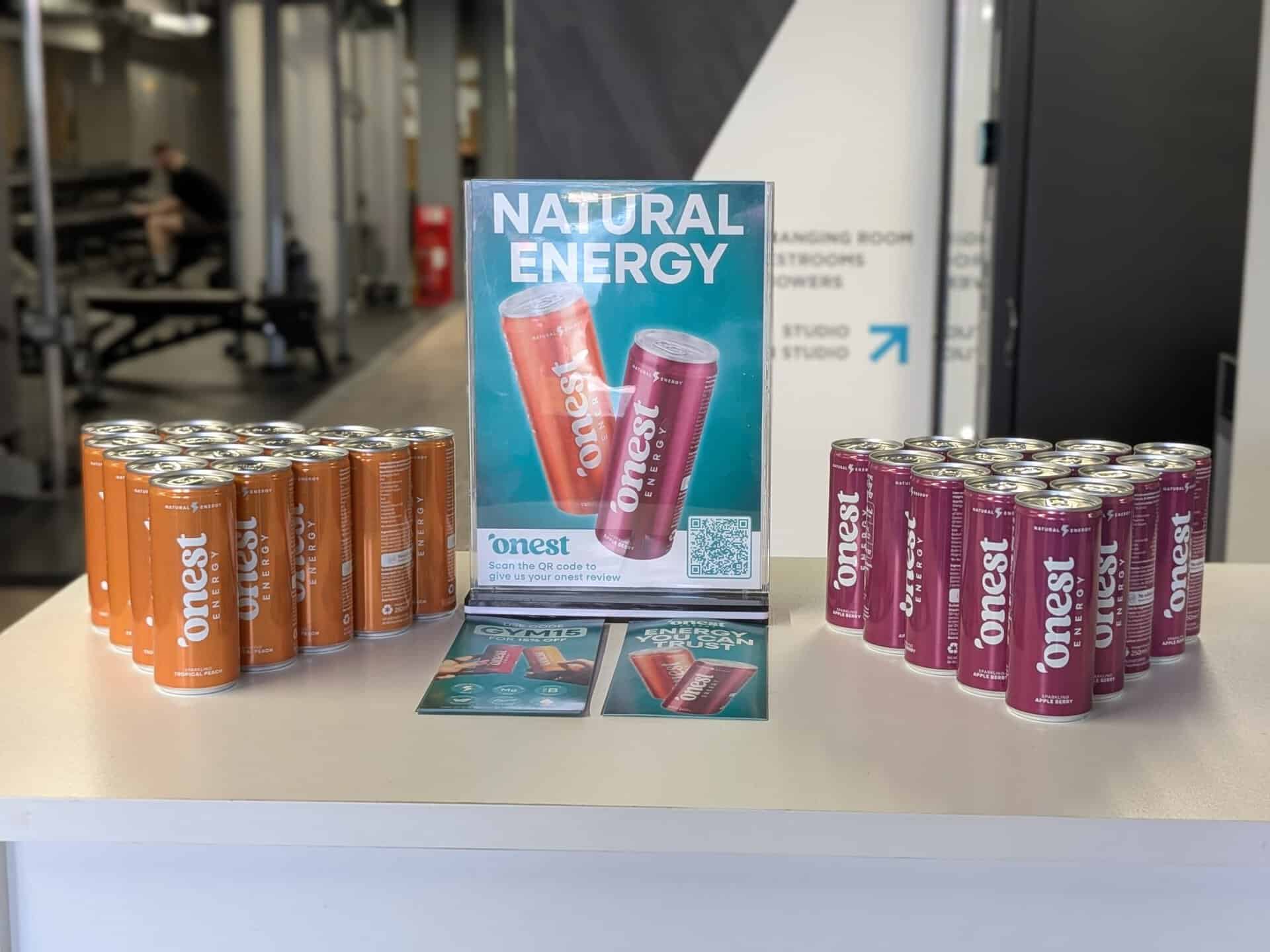
Redemption codes, vouchers, QR codes, and post-sampling surveys make it easier to track results and calculate ROI. - Ideal for product launches
When speed and awareness are critical, tactical sampling can quickly introduce products to a large number of potential customers.
What is Experiential Sampling?
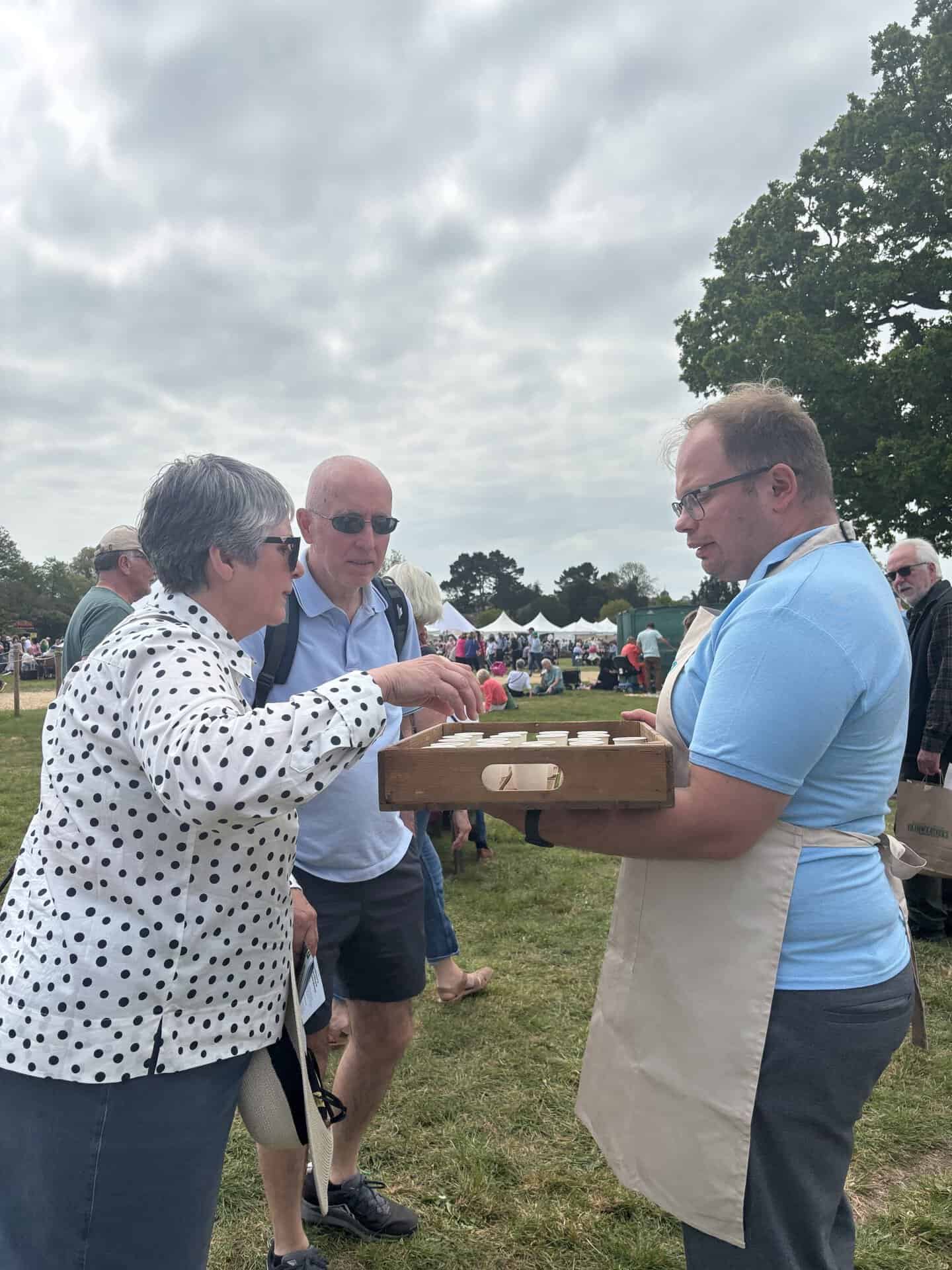
Experiential sampling takes product trial a step further by creating an engaging, memorable brand experience around the sample itself. Rather than simply handing out a product, brands create interactions that connect consumers emotionally with the brand. The big ideas. Experiential sampling is designed to generate not only product trial but also brand affinity, social sharing, and lasting impressions.
Benefits of Experiential Sampling
- Creates memorable connections
Consumers are more likely to remember a brand when they actively engage with it. - Builds emotional engagement
Experiences help bring brand values and personality to life. - Encourages social media exposure
Well-designed activations often generate user-generated content, extending campaign reach beyond event attendees. - Provides deeper consumer insight
Face-to-face interaction offers valuable feedback and direct engagement.
Why the Best Campaigns have Both
Many successful brands don't choose one over the other. Instead, they combine tactical and experiential approaches to maximise impact.
For example, an experiential activation at a major event can create excitement and social buzz, while tactical sampling in nearby retail locations helps convert awareness into purchase. This blended strategy allows brands to achieve both short-term sales objectives and long-term brand-building goals.
Final Thoughts
Tactical sampling and experiential sampling each have unique strengths. Tactical campaigns excel at delivering products efficiently to the right audience, while experiential campaigns create meaningful interactions that strengthen the brand.
The most effective choice depends on your goals, budget, audience, and desired outcomes. By understanding what each approach offers, brands can develop sampling campaigns that not only reach consumers but resonate with them as well.
Tactical Sampling One-Pagers on the Way!
We’re going to be releasing two one-pagers over the next few weeks that’ll give you further practical insight for running your own sampling campaigns.
Our Tactical Sampling Guide is a practical resource designed to help you plan product sampling campaigns that work. Register your interest here.
Our Audience Targeting Guide is designed to help brands identify the best audiences, locations and strategies for successful sampling campaigns. You can register your interest for this one here.
Other blogs you might like

Building Social Amplification into Festival Sampling
Brands invest heavily in festival sampling campaigns to put products directly into consumers' hands. They distribute thousands of samples, have hundreds of conversations, and create plenty of memorable interactions. But what if your festival activation could do more than just reach the people standing in front of you? The real opportunity lies in extending your reach beyond that exact moment
How Tactical Sampling Helps Brands Reach Specific Audiences
For brands looking to engage a particular audience, just handing out thousands of samples can be ineffective, not to mention expensive. Tactical sampling takes a more targeted approach, placing products directly in environments where consumers are already in the correct mindset to receive and evaluate them. Location, location, location One of the most effective ways to target consumers is through
How to Measure Tactical Sampling Beyond Samples Distributed
For many brands, the success of a sampling campaign is often summarised by a single measurement, the number of samples distributed. While this metric is useful for measuring reach, it only tells part of the story. As marketers, with greater pressure to demonstrate ROI, it's important to look beyond distribution numbers and focus on what happens next. Product Trial: Did