
Blog
How to Measure Tactical Sampling Beyond Samples Distributed
Published on
26th August 2026
For many brands, the success of a sampling campaign is often summarised by a single measurement, the number of samples distributed. While this metric is useful for measuring reach, it only tells part of the story. As marketers, with greater pressure to demonstrate ROI, it's important to look beyond distribution numbers and focus on what happens next.
Product Trial: Did Consumers Actually Use the Sample?
The first step in measuring effectiveness is understanding whether consumers tried the product.
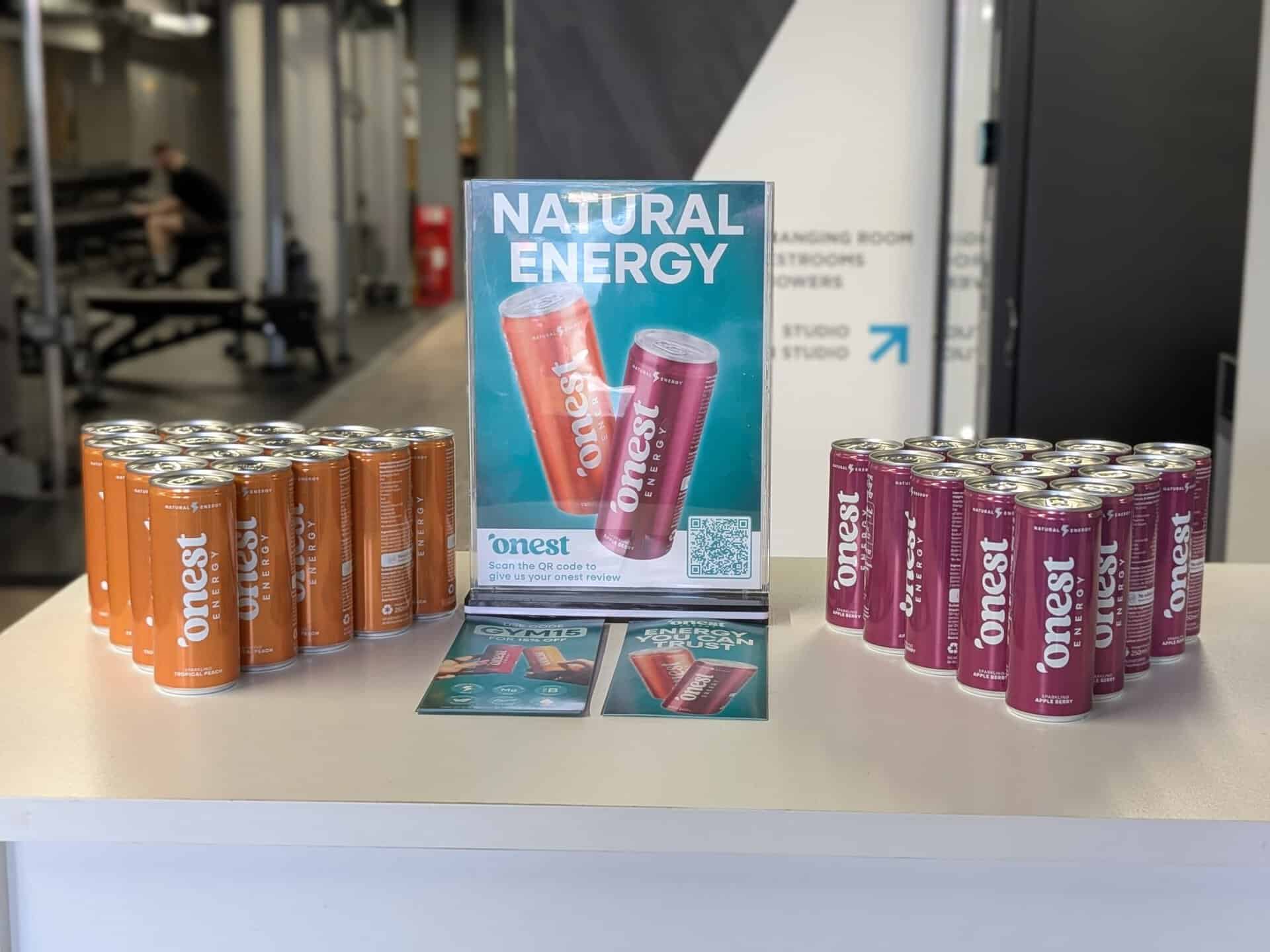
A sample in someone’s hand is only valuable if it leads to a genuine product experience. QR codes, follow-up surveys, and feedback forms can be the first and most cost-effective step in determining how many recipients moved from acceptance to trial.
Engagement: Did the Sample Spark Interaction?
Today's best sampling campaigns often include more digital touchpoints that allow brands to track consumer engagement. Metrics such as QR code scans, website visits, competition entries, social interactions, and email sign-ups can reveal whether consumers were interested enough to take the next step after receiving the sample.
These actions provide valuable insight into the level of interest generated, helping you to form a clearer picture.
Conversion: Did Sampling Drive Sales?
Ultimately, one of the most important questions is whether sampling influenced purchasing behaviour. Using promotional codes, digital vouchers, retailer data for nearby stores, or loyalty programme information, brands can measure how many consumers went on to purchase the product after trying it.
A campaign that converts a high percentage of recipients into customers will often deliver greater value than one focused solely on achieving maximum distribution. Strategically sampling near stores that stock your product can be a great way to encourage this.
Audience Quality Matters
Not all samples are created equal, and neither are all recipients.
A highly targeted campaign that reaches the right consumers can outperform a larger-scale activation with broader distribution. Measuring audience fit against key demographics, locations, lifestyle indicators, or shopper behaviour can help determine whether the campaign reached the intended market. For instance, healthy snacking products are better positioned in busy offices that serve people from a higher socio-economic bracket, as this is where you will find people with a vested interest in healthier alternatives and extra disposable income.
After all, success is about reaching the right people, not simply the most people.
Moving Beyond Distribution Metrics
A useful way to evaluate tactical sampling is to measure performance across four stages:
- Distribution – How many samples were handed out?
- Trial – How many recipients used the product?
- Engagement – Did consumers interact with the brand?
- Conversion & Loyalty – Did they purchase and buy again?
While distribution remains an important operational metric, it should be viewed as the starting point rather than the end goal.
Conclusion
The most effective sampling programmes are those that drive measurable consumer action. By focusing on trial, engagement, conversion, and long-term loyalty, brands can gain a far clearer understanding of how a campaign performs.
In today's data-driven marketing environment, it’s easier than ever to set up measurable parameters, so don’t leave yourself with half the story.
Other blogs you might like

Building Social Amplification into Festival Sampling
Brands invest heavily in festival sampling campaigns to put products directly into consumers' hands. They distribute thousands of samples, have hundreds of conversations, and create plenty of memorable interactions. But what if your festival activation could do more than just reach the people standing in front of you? The real opportunity lies in extending your reach beyond that exact moment
How Tactical Sampling Helps Brands Reach Specific Audiences
For brands looking to engage a particular audience, just handing out thousands of samples can be ineffective, not to mention expensive. Tactical sampling takes a more targeted approach, placing products directly in environments where consumers are already in the correct mindset to receive and evaluate them. Location, location, location One of the most effective ways to target consumers is through

The 5 Best Places for Tactical Sampling
In a world where consumers are constantly bombarded with advertising, getting your product directly into someone's hands remains one of the most effective marketing tactics available for FMCG brands. Tactical sampling takes this concept a step further by placing products in environments where they're most relevant, useful and likely to drive action. The key to successful sampling isn't simply reaching