
Blog
How Tactical Sampling Helps Brands Reach Specific Audiences
Published on
27th August 2026
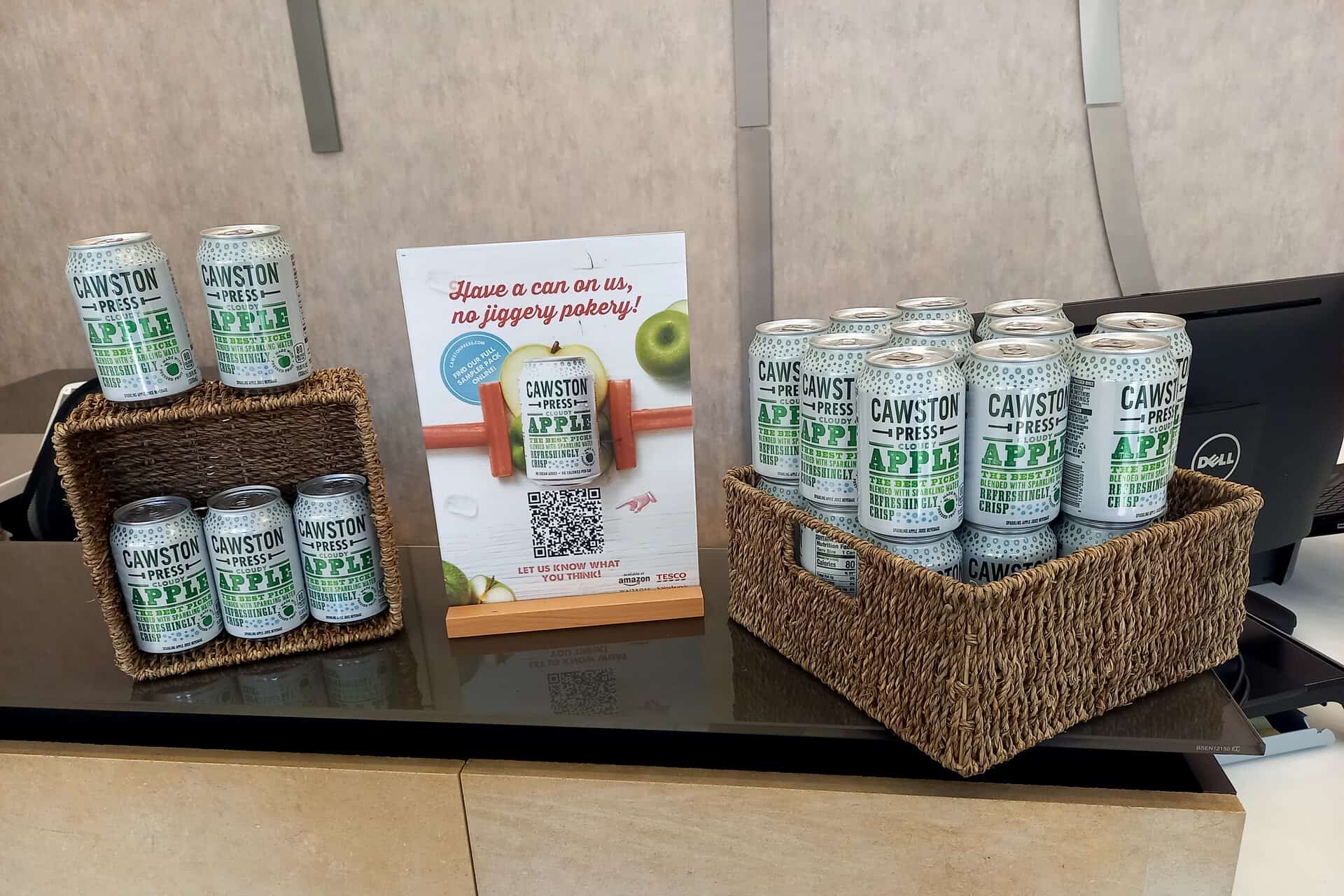
For brands looking to engage a particular audience, just handing out thousands of samples can be ineffective, not to mention expensive. Tactical sampling takes a more targeted approach, placing products directly in environments where consumers are already in the correct mindset to receive and evaluate them.
Location, location, location
One of the most effective ways to target consumers is through the places they visit.
A sports nutrition brand, for example, can reach fitness-focused consumers through gyms and run clubs. A coffee brand might target busy professionals at transport hubs or offices, while a baby care brand can connect with new parents through family-focused venues.
By selecting the right distribution channels, brands can ensure samples reach people who are more likely to have an interest in the product category rather than taking more of a ‘scatter-gun’ approach we’re seeing so much of and only a small percentage being relevant consumers.
Lifestyles & Interests
Tactical sampling works because it matches products to specific behaviours and interests rather than relying on demographic data alone. Brands can target consumers based on how they live, again making the samples more relevant to the consumer. This could mean placing energy drinks at sporting events, healthy snacks in workplace environments, or beauty products within premium retail and leisure spaces.
You need to not only think about the type of person that wants you product but the timing as well. What you’ll see with all the above examples is that is puts more emphasis on the individual also being in the right headspace as well as location. The result is a more relevant brand interaction and a greater likelihood of product trial.
Context is key
The timing and setting of a sample can have a significant impact on results. Giving a commuter a ready-to-drink coffee during their morning journey or providing a hydration product at the finish line of a race creates immediate relevance. Consumers are able to try products at the exact moment they have a need for them.
That contextual connection can make the experience far more memorable than traditional advertising.
Targeting the right consumer isn't just about where they are and what interests them; it's about their mindset at that moment. A nutrition product sampled in a supplement aisle may reach the right shopper, but if they're focused on getting through their weekly shop, they're less likely to engage. The same product distributed in a gym reaches consumers when health and performance are front of mind, creating a more receptive audience.
Fancy a free example?
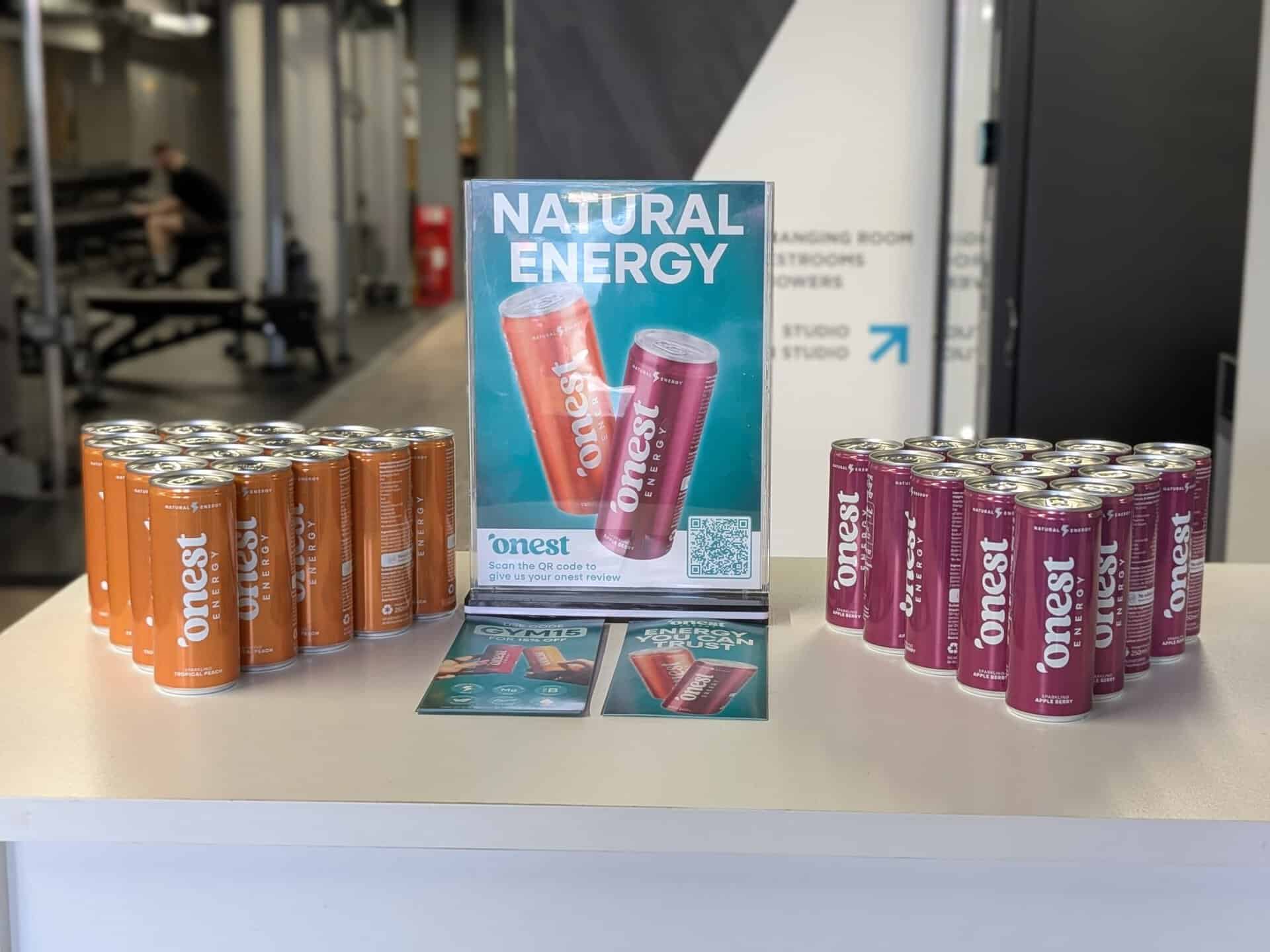
Got a product to help fuel fitness? Setting yourself up at a gym (Location: CHECK) at 6 am in the morning or just after work at 5 pm will get you in front of the core gym audience, those who have to fit their workout in around work and other responsibilities.
Here you’ll expose your fuel to an active audience that prioritise their health & wellbeing (Interest: CHECK) so are going to be looking for ways to help them achieve their goals and perhaps to spending a little more to do so while they’re in the correct headspace for it - early mornings or late sessions are going to need some extra oomph to get them through (Context: CHECK).
Funnily enough, we did this exact sampling campaign with Onest Energy, just one of the many reasons we know it works. Check out the full case study here
Turn your understanding into results
When brands identify where their audience spends time, what motivates them and when they're most likely to engage, sampling becomes much more than product distribution. It becomes a highly effective marketing tool that helps brands reach specific consumer groups, increase product trial and create meaningful engagement.
Other blogs you might like
Building Social Amplification into Festival Sampling
Brands invest heavily in festival sampling campaigns to put products directly into consumers' hands. They distribute thousands of samples, have hundreds of conversations, and create plenty of memorable interactions. But what if your festival activation could do more than just reach the people standing in front of you? The real opportunity lies in extending your reach beyond that exact moment
How to Measure Tactical Sampling Beyond Samples Distributed
For many brands, the success of a sampling campaign is often summarised by a single measurement, the number of samples distributed. While this metric is useful for measuring reach, it only tells part of the story. As marketers, with greater pressure to demonstrate ROI, it's important to look beyond distribution numbers and focus on what happens next. Product Trial: Did
The 5 Best Places for Tactical Sampling
In a world where consumers are constantly bombarded with advertising, getting your product directly into someone's hands remains one of the most effective marketing tactics available for FMCG brands. Tactical sampling takes this concept a step further by placing products in environments where they're most relevant, useful and likely to drive action. The key to successful sampling isn't simply reaching